
Feed A Family On A Budget
Feeding a family – especially a big family – can feel overwhelming when grocery prices keep going up.
We’ve been there.
At one point, we were spending close to $3000 a month on groceries, and it wasn’t until we actually looked at the numbers that we realised something had to change.
Since then, we’ve started being more intentional with how we shop, what we buy, and what we make at home.
We’re still learning, but these are the simple things that have made the biggest difference for us so far.
We actually made the difference
We didn’t cut everything out or start dong anything extreme.
Instead, we focussed on a few simple changes that we could stick to.
We stopped shopping from scratch every week
On of the biggest shifts was realising that you don’t need to buy everything every week.
We:
- use what we already have in the pantry
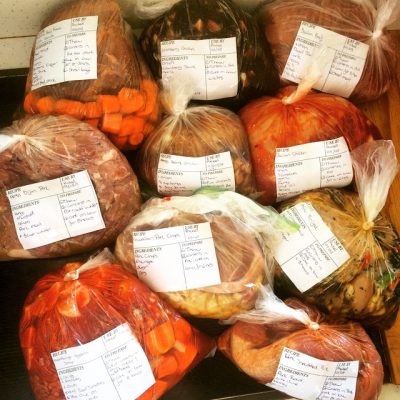
- build meals around freezer items
- only top up what we actually need
This alone reduced our weekly spend significantly.
We Started Using Pantry Staples Properly
We always keep basics like:
- flour
- milk powder
- yeast
- rice
- pasta
- couscous
- sugar
This allows us to:
- bake bread
- make snacks
- stretch meals
Instead of constantly buying everything pre-made.
We keep meals simple
Not every meal needs to be complicated or expensive.
Some of our most-used meals are:
- simple pasta dishes
- pantry-based meals
- bul meals that feed everyone
Simple meals also help avoid burnout.
We make a Few Things Instead of buying them
We don’t make everything from scratch – just the things that are easy and actually save money.
For example:
- cream cheese
- condensed milk
- pesto
These small swaps add up over time.
We Bulk Buy when it Makes Sense
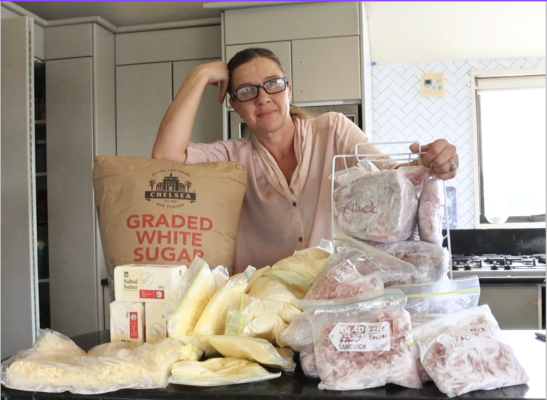
Another big shift for us has been buying in bulk – but only when something is actually on special.
If we come in under budget for the week, we don’t just spend the extra.
We put some of that money aside so that when something we use regularly goes on sale, we can stock up.
That might be things like:
- pantry staples
- freezer items
- ingredients we use every week
Over time, this has helped us:
- build up a bit of a buffer
- avoid paying full price
- and rely less on last-minute shops
This is one of the reasons some weeks look lower – because we’re building towards future savings.
It doesn’t happen overnight, but it makes a big difference over time.
We avoid extra trips to the store
This has probably been one of the biggest changes.
If we run out of something, we:
- substitute
- use what we have
- or make a quick alternative
Because every extra trip to the store usually turns into extra spending.
See how this looks in real life
What This Looks Like Week to Week
Some weeks we spend more, some weeks less.
But overall, this approach has helped us:
- reduce our grocery bill
- stay more consistent
- feel more in control of our spending
It’s not about being perfect – it’s about being more intentional.
What People are Saying
“I love how you use what you already have. It’s such a good way to stretch the budget.”.
“I only use powdered milk now – it doesn’t go to waste and works perfectly.”
“Such simple ideas but they actually make a difference”
Where to start
If you want to start managing your grocery budget, this is the easiest first step:
Download the Free Grocery Starter Kit
Includes:
- Weekly Budget Planner
- Pantry & freezer Inventory Sheet
- Meal Planner
Related Posts
- What $108 Bought our Family of 7
- How We Stretch Our Groceries
- Things We Make Instead of Buying
- Budget Meals That Actually Feed a Family